
Why Are My Brakes Making Noise?
Brake noise is one of the most common warning signs drivers notice. Sometimes it is a light squeal. Other times it is a rattle, scrape, grind, or clunk. No matter what it sounds like, brake noise should not be ignored.
Your brakes are one of the most important safety systems on your vehicle. When they start making noise, your vehicle may be telling you that something is worn, loose, missing, or not working the way it should.
Two of the most common causes of brake noise are squealing brake pads and problems with anti-rattle clips.
1. Squealing Brakes
A high-pitched squealing noise is one of the most common brake complaints. This noise can happen when you first start driving, when you lightly press the brake pedal, or every time you come to a stop.
There are several reasons brakes may squeal.
Worn Brake Pads
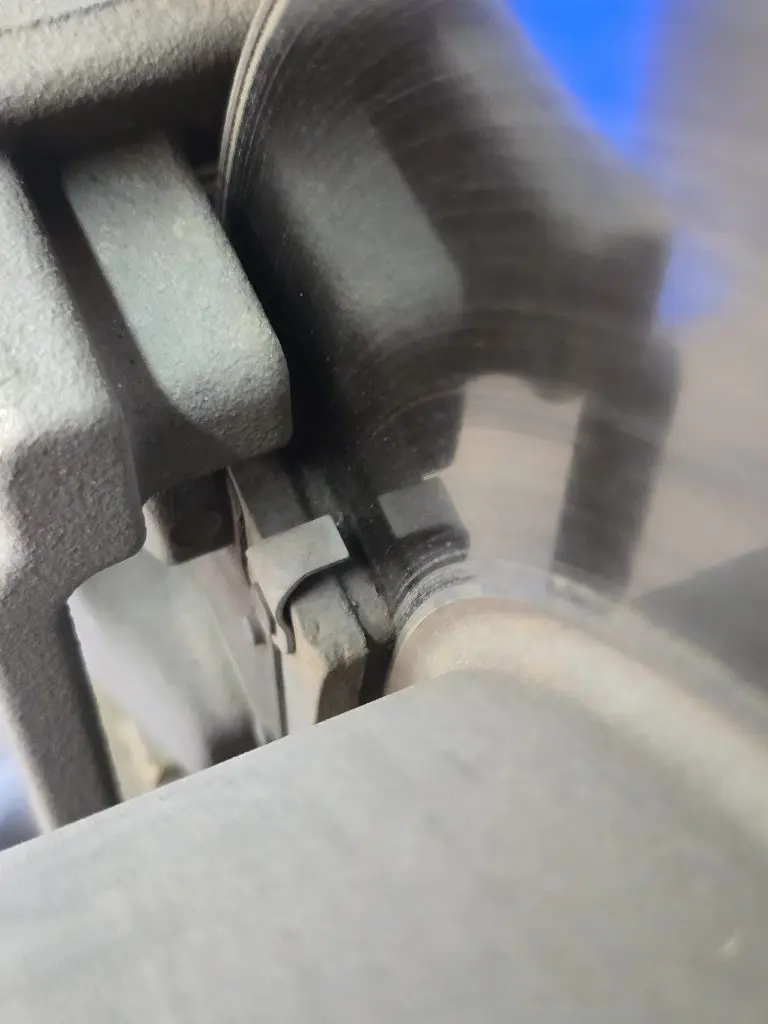
Many brake pads have a small metal wear indicator built into them. When the pad material gets low, this indicator can touch the rotor and make a squealing sound. This is designed to warn you before the brake pads are completely worn out.
If you hear this kind of squeal, it is a good idea to have your brakes inspected soon. Waiting too long can lead to metal-on-metal contact, which can damage the rotors and make the repair more expensive.
Below you can see a photo of the brake wear indicator on a Dodge Charger.
Glazed Brake Pads or Rotors
Brake pads and rotors can sometimes become glazed from heat. This can happen from heavy braking, stop-and-go driving, or brake parts that are not working properly.
When the surface becomes too smooth or hardened, the brakes may squeal instead of stopping quietly.
Brake Dust, Moisture, or Debris
A little brake noise can sometimes come from dust, moisture, or small debris around the brake pads and rotors. You may notice this more in the morning, after rain, or after the car has been sitting.
However, if the noise continues after a few stops, the brakes should be inspected.
Poor Quality Brake Pads
Not all brake pads are made the same. Some lower-quality pads are more likely to make noise, even if they still have plenty of pad life left. Quality brake pads, proper hardware, and correct installation all matter when it comes to quiet braking.
2. Anti-Rattle Clips and Brake Hardware
Another common cause of brake noise is a problem with the anti-rattle clips.
Anti-rattle clips are small pieces of brake hardware that help hold the brake pads securely in place. Their job is to reduce movement, vibration, and noise.
When these clips are missing, weak, rusty, bent, or installed incorrectly, the brake pads can move more than they should. This can create several types of brake noise, including:
- Rattling over bumps
- Clicking when braking
- Clunking when changing direction
- Squeaking or vibration while stopping
Even though anti-rattle clips are small, they are very important. They help keep the brake pads positioned correctly and allow the brake system to work quietly and smoothly.
At Priebe’s Auto Clinic & Tire Center, we believe brake hardware should be inspected carefully during brake service. Reusing worn-out clips or leaving damaged hardware in place can lead to noise, uneven pad wear, and unhappy drivers.
Brake Noise Can Get Worse Over Time
Brake noise usually does not fix itself. A small squeal today can turn into grinding later. A small rattle from loose hardware can become uneven brake wear or poor brake performance.
Common brake noise symptoms include:
- Squealing when stopping
- Grinding when braking
- Rattling over bumps
- Clicking when pressing the brake pedal
- Scraping sounds while driving
- Vibration or shaking when braking
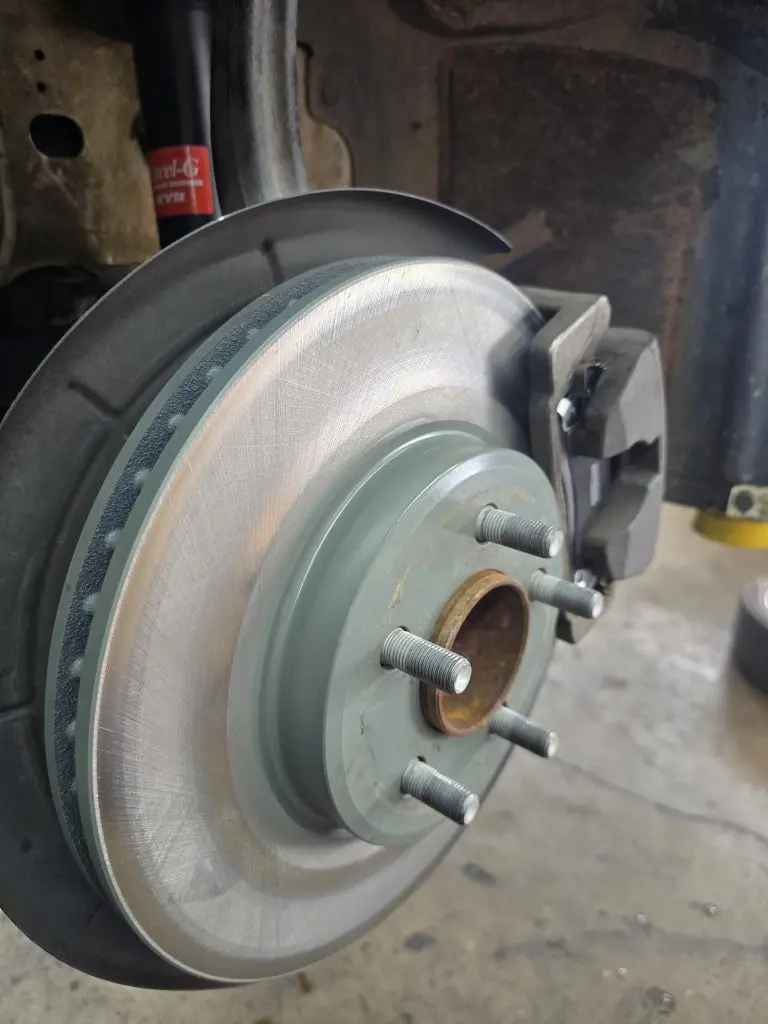
If you hear grinding, it is especially important to stop driving the vehicle as much as possible and schedule an inspection. Grinding can mean the brake pads are completely worn down and metal parts are contacting the rotor.
Why a Brake Inspection Matters
A proper brake inspection should include more than just looking at the brake pads. The entire brake system should be checked, including:
- Brake pad thickness
- Rotor condition
- Calipers
- Brake hoses
- Brake fluid condition
- Brake hardware
- Anti-rattle clips
- Pad fitment and movement
- Signs of uneven wear
Brake noise can come from several different places, so guessing is not the best approach. A full inspection helps find the real cause of the noise before more damage is done.
Schedule Brake Service in Oklahoma City
If your brakes are squealing, rattling, grinding, or making any noise that does not sound normal, bring your vehicle to Priebe’s Auto Clinic & Tire Center in Oklahoma City.
Our ASE-certified team can inspect your brake system, check the brake pads and rotors, look at the anti-rattle clips and hardware, and help you understand what your vehicle needs.
Brake noise is your vehicle’s way of asking for attention. Don’t ignore it.
Call Priebe’s Auto Clinic & Tire Center today at 405-523-2172 or visit pacokc.com to schedule your brake inspection.