🛠️ The “Check Engine Light” Deciphered: How Diagnostics Actually Work
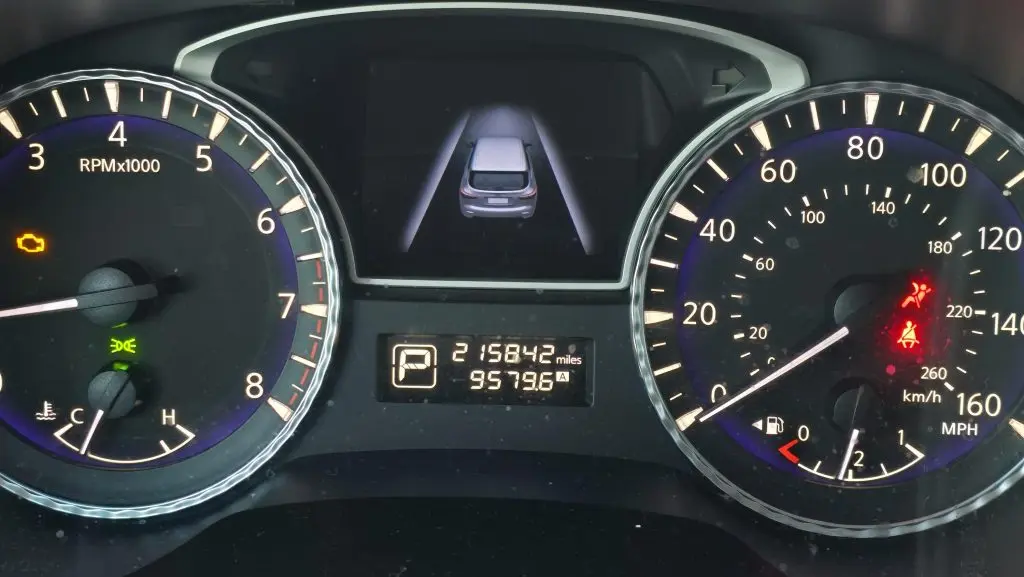
That glowing orange engine on your dashboard is one of the most misunderstood sights for a driver. Many people think it’s a “bad news” light, but at Priebe’s Auto Clinic, we see it as your car’s way of asking for a check-up before a minor glitch becomes a major repair.
Step 1: The Initial Handshake (Code Scanning)
Your car has an onboard computer (OBD-II system) that constantly monitors sensors throughout the engine, transmission, and exhaust. When something is out of range, it stores a Diagnostic Trouble Code (DTC).
The first thing we do is connect a professional-grade scanner to your vehicle’s OBD port. This “handshake” allows us to see exactly what the computer is complaining about—whether it’s a misfire in cylinder 3 or a faulty oxygen sensor.
Step 2: Code Reading vs. True Diagnosis
This is where the local auto parts store and a professional shop differ. A “free code scan” only tells you the symptom, not the cause.
For example, a code for a “Lean Fuel Mixture” could be caused by:
- A cracked vacuum hose.
- A failing fuel pump.
- A dirty mass airflow sensor.
- A simple loose gas cap!
Step 3: Pinpoint Testing & Verification
Once we have the code, our ASE-certified technicians perform pinpoint testing. We use specialized tools like smoke machines (to find leaks) and multi-meters (to test electrical signals) to isolate the exact failing component. We don’t just “throw parts” at a code; we verify the failure so you only pay for the repair you actually need.
Step 4: The Final Health Check
After the repair is made, we reset the computer and perform a verification test drive. We ensure the sensors are reading within factory specs and that the light stays off for good, giving you total peace of mind.
Don’t ignore the warning! Small issues like a faulty sensor can lead to decreased fuel economy or even a damaged catalytic converter if left untreated.
📞 Call (405) 523-2172 or visit PACOKC.COM to schedule your diagnostic today!