
🚗 Is Your Catalytic Converter Clogged? 5 Signs to Watch For
Your catalytic converter is a critical part of your exhaust system, designed to turn harmful gases into less toxic emissions. However, when it fails, it doesn’t just hurt the environment—it can cripple your car’s performance. At Priebe’s Auto Clinic, we’ve seen how an ignored exhaust issue can lead to a total engine shutdown.
Here are 5 clear signs your “cat” is on its way out:
- Massive Loss of Power: A clogged converter acts like a bottleneck for your engine. If your car feels sluggish or “choked” when you try to accelerate, the exhaust gases likely have nowhere to go.
- The “Rotten Egg” Smell: If you notice a sharp sulfur odor, your converter isn’t properly processing the hydrogen sulfide in your fuel. This is a classic sign of internal chemical failure.
- The P0420 Warning Code: While several things can trigger a Check Engine Light, the P0420 code specifically tells our technicians that your “Catalyst System Efficiency” is below the required threshold.
- Extreme Under-Hood Heat: When exhaust gases are trapped by a clog, heat builds up rapidly. This can lead to engine overheating and can even damage surrounding components like your AC lines or wiring.
- Metallic Rattling Noises: If the internal ceramic “honeycomb” structure of the converter breaks apart due to road impact or thermal shock, it will rattle. If you hear a metallic “marbles in a can” sound coming from under your car, the internal catalyst has likely collapsed.
The Priebe’s Solution
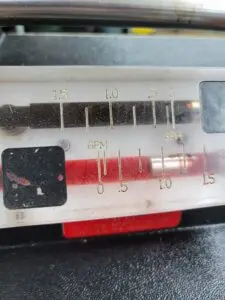
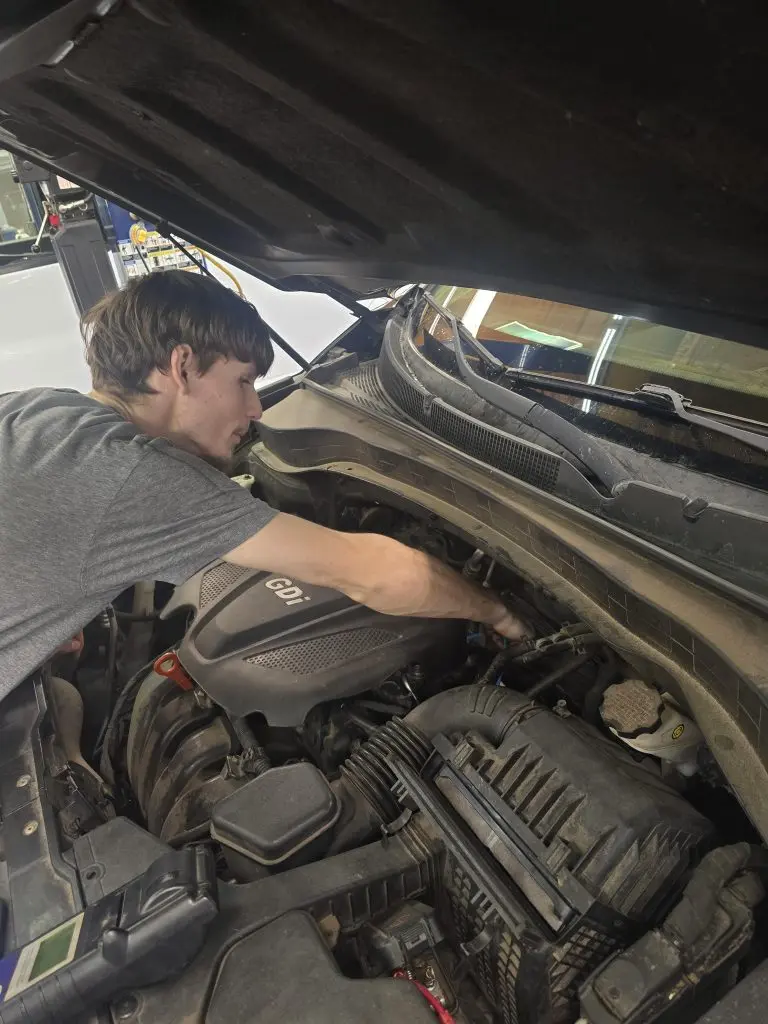
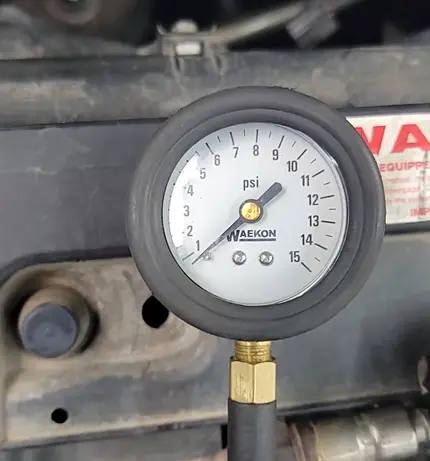
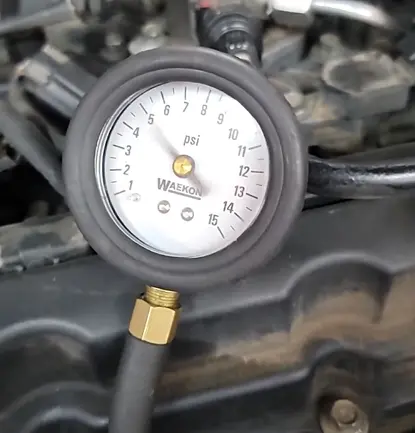
A catalytic converter is an investment, which is why we never “guess” on a replacement. We use specialized back-pressure testing to confirm a clog and perform a full engine diagnostic to ensure a underlying issue—like an engine misfire—isn’t what caused the failure in the first place. Below you can see a picture of Back Pressure test on a good Catalytic Converter and one of a failed converter!
Stop the sluggish performance today. 📍 4014 N Barnes Ave, Oklahoma City, OK 📞 (405) 523-2172 | PACOKC.COM