
When Should You Do a Compression Test on a Car?
If your engine is running rough, misfiring, or struggling to start, a compression test might be part of the solution—but it’s not always the first step. If you have a check engine light and a Misfire on a particulate cylinder or more, you may want to check some other basics before getting a compression test.

Before jumping to a compression test, it’s smart to rule out the basics:
✅ Spark: Make sure your ignition coils and spark plugs are firing properly.
✅ Fuel: Confirm fuel pressure and injector function.
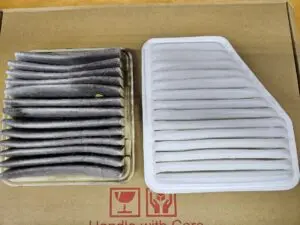
✅ Air: Check for clogged filters or intake issues.
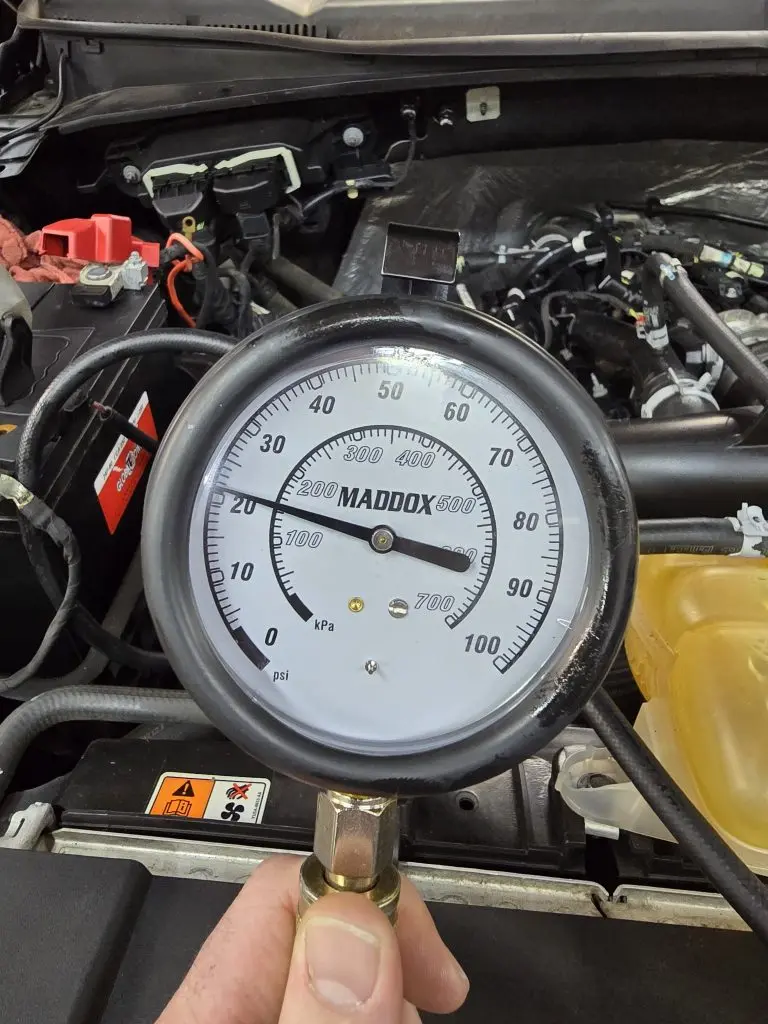
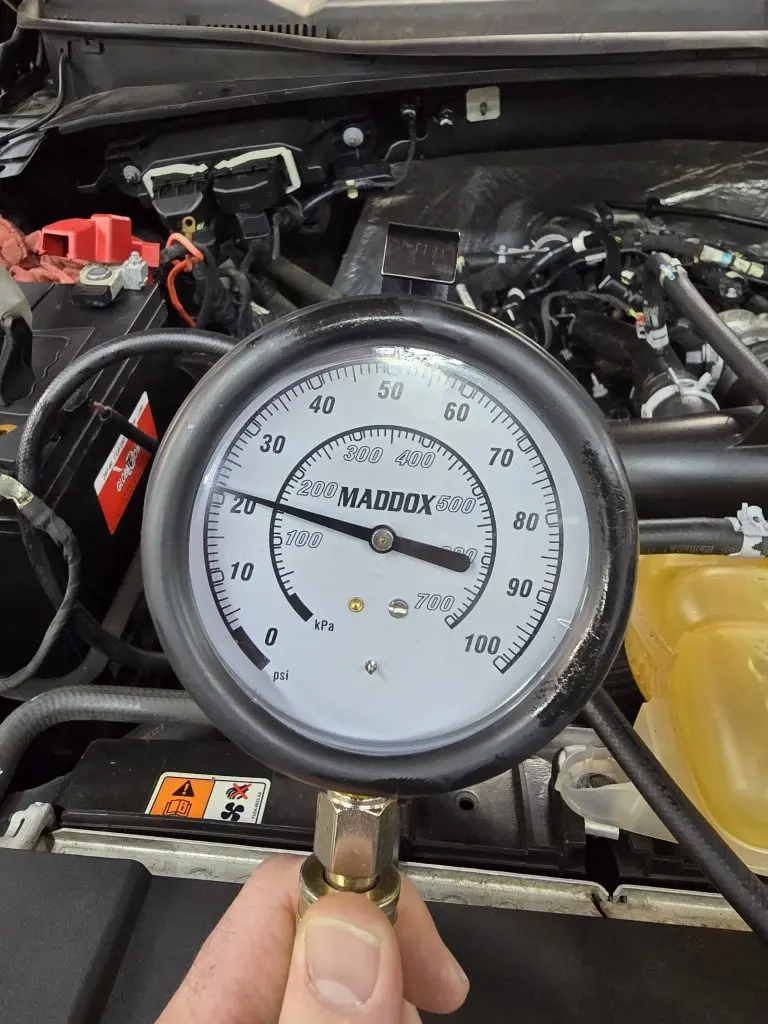
If those systems check out and the engine still isn’t performing right, compression testing can reveal what’s happening inside the cylinders. Low compression in one or more cylinders often points to mechanical issues. If a Cylinder has low compression there are several internal engine issues that could be the cause. Sometimes the compression test is just the start of the Diagnostic Process. Once we know that we have lost compression on a cylinder then we test further to figure out why. It could be:
- Worn piston rings
- Burnt or leaky valves
- Blown head gasket
- Timing problems
At Priebe’s Auto Clinic in Oklahoma City, we perform precision compression tests to diagnose these hidden problems and help you make informed decisions. It’s a vital tool when tracking down power loss, misfires, or unexplained rough running.
📞 Call 405-523-2172 or visit pacokc.com to schedule expert diagnostics today.