👂 Heard a Squeak? Why Your Brakes Are Talking to You!
That high-pitched squeal isn’t just an annoyance—it’s a safety feature. While several things can cause brake noise, a persistent squeak usually means your brake pads are wearing thin.
The “Squealer” in Action
Most modern brake pads include a small metal tab called a wear indicator (or “squealer”). As the pad material wears down to a critical level, this tab begins to rub against the rotor. This creates that distinct, audible warning that it’s time for a replacement. The Brake Squeal or Squeak is just your car telling you that the brakes are at an unsafe thickness. Below is a picture of a Brake Wear Indicator that has started to rub on the rotor.
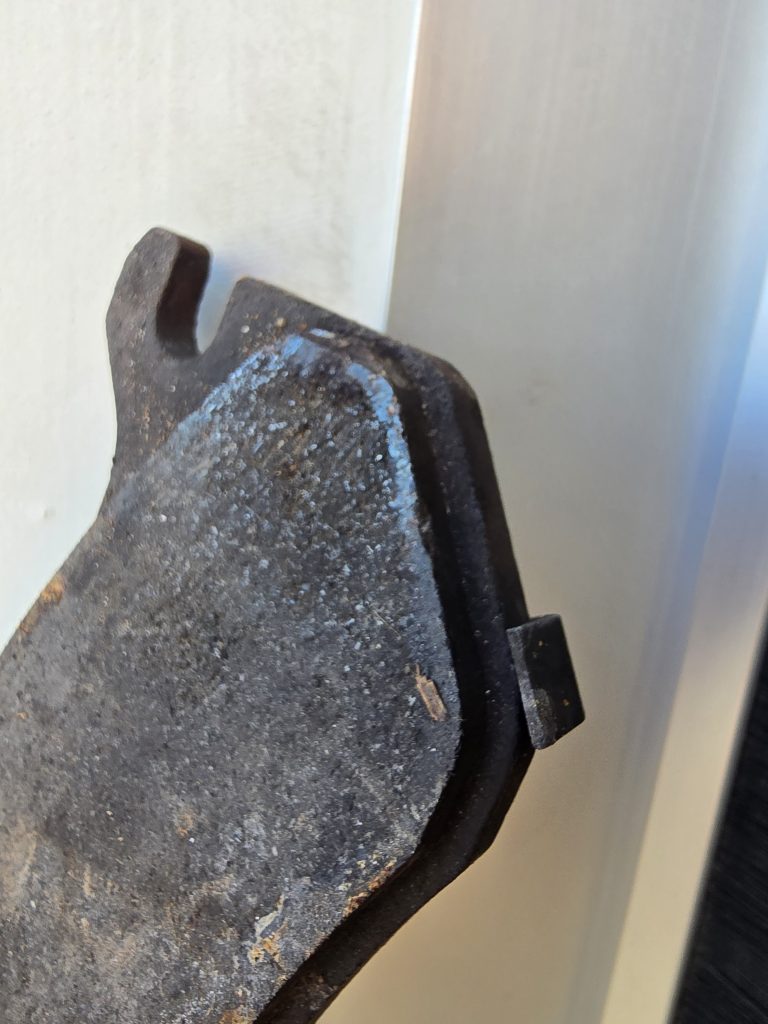
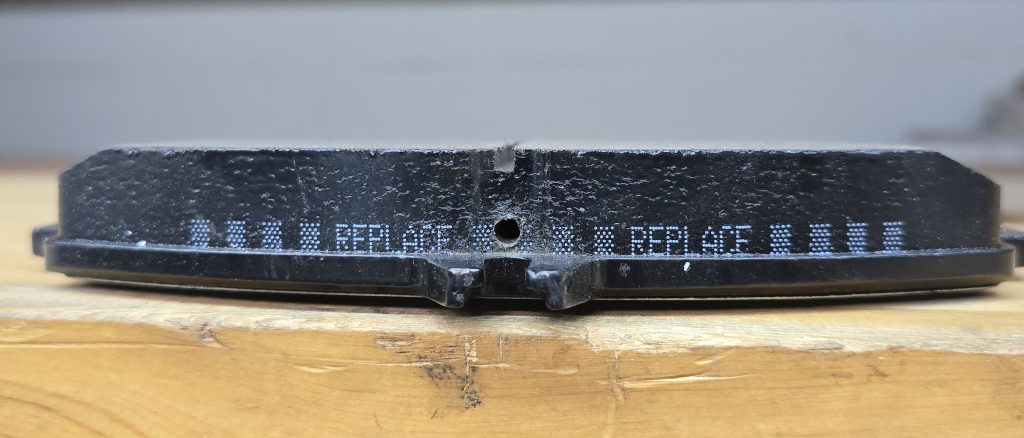
Not all brake systems come with an audible brake warning. Some vehicles have a sensor that sets a warning light on your dash. Some, like the one pictured below, have to be checked and replaced when they are below spec.
Common Signs of Brake Wear:
- The Warning Squeal: A consistent high-pitched noise while driving or braking.
- Deep Grinding: If you hear a heavy metal-on-metal sound, your pads are likely gone, and you’re damaging your rotors.
- A “Squishy” Pedal: If the brake pedal feels soft or sinks to the floor, you may have a fluid leak or air in the lines.
- Vibration: Shaking in the steering wheel when you brake often indicates warped rotors.
Don’t Ignore the Sound of Safety
Ignoring these signs can turn a simple pad replacement into a much more expensive repair. At Priebe’s Auto Clinic, we perform a full brake inspection—checking your pads, rotors, calipers, and fluid—to ensure you can stop safely every time.
Is your car trying to tell you something? 📞 Call (405) 523-2172 or visit PACOKC.COM to schedule your brake inspection today!