

When people think about Tesla battery problems, they usually think about the large high-voltage battery that moves the car. But Tesla vehicles also use a low-voltage battery, often called the 12V battery, to power important vehicle systems and help the car wake up properly.
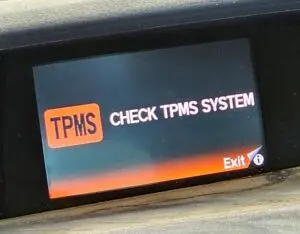
If the low-voltage battery gets weak, your Tesla may start showing warning messages, have trouble powering up, or act strangely. You may notice alerts on the screen, doors or accessories not working correctly, charging issues, or the vehicle not responding the way it normally does.

Some Tesla models use a traditional 12V battery, while newer models may use a lithium-ion low-voltage battery. Either way, this battery plays an important role. It supports modules, computers, locks, lights, safety systems, and other electronics that your Tesla depends on every day.
A low-voltage battery warning should not be ignored. Sometimes the battery itself is failing. Other times, there may be a charging, connection, software, or electrical issue causing the problem. That is why proper Tesla diagnostics matter. Guessing and replacing parts without testing can miss the real cause.

At Priebe’s Auto Clinic & Tire Center in Oklahoma City, we provide Tesla low-voltage battery diagnostics and EV service. Our team can inspect the battery, test the system, check related electrical concerns, and help determine what your Tesla actually needs.
If your Tesla has a 12V battery warning, low-voltage battery message, power-up issue, or electrical concern, schedule Tesla diagnostics with Priebe’s Auto Clinic & Tire Center in OKC.