

Why is My Car Making a Grinding Noise?
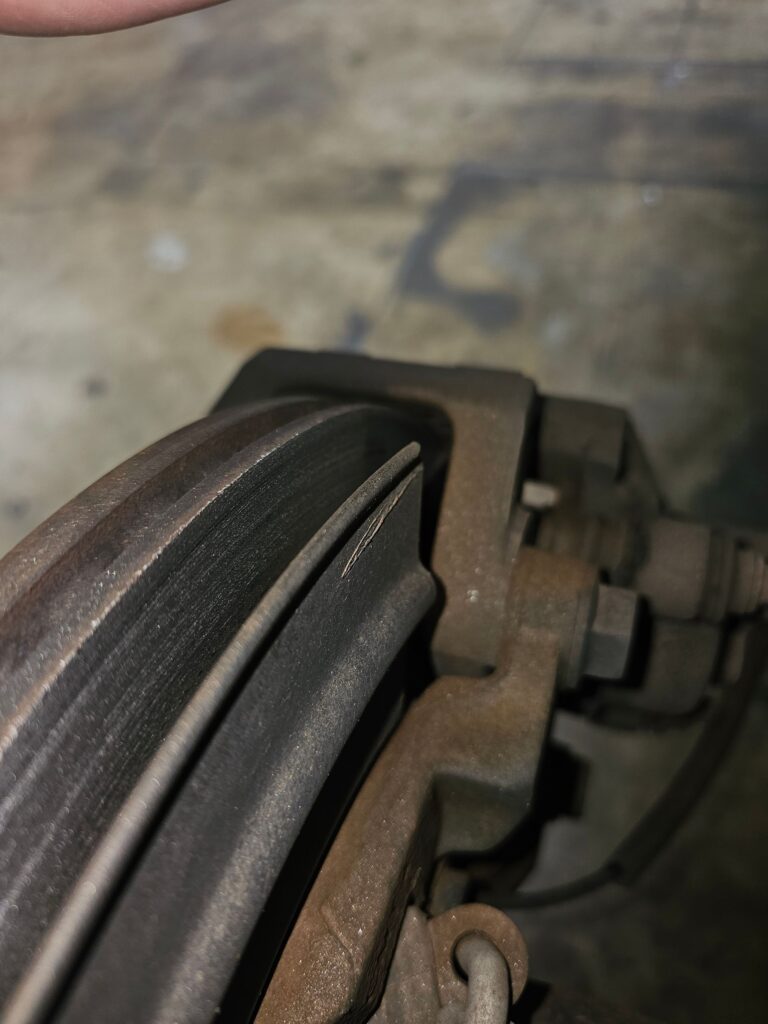
A Metallic Grinding noise is one of the most common abnormal noises on a vehicle. There are a few different parts on your car that can make a noise like this. The most common is the Brakes. Most vehicle has a brake pad wear sensor or Indicator that lets you know when your brake pads are too thin. If not it is easy to wear them that way. When the brake lining is gone the metal Brake Pad rubs on the Metal Brake Rotor. This can cause a grinding noise, especially when Braking. Here is a photo of a brake rotor that has been grinding metal on metal.
Why Do My Brakes Keep Squeaking?
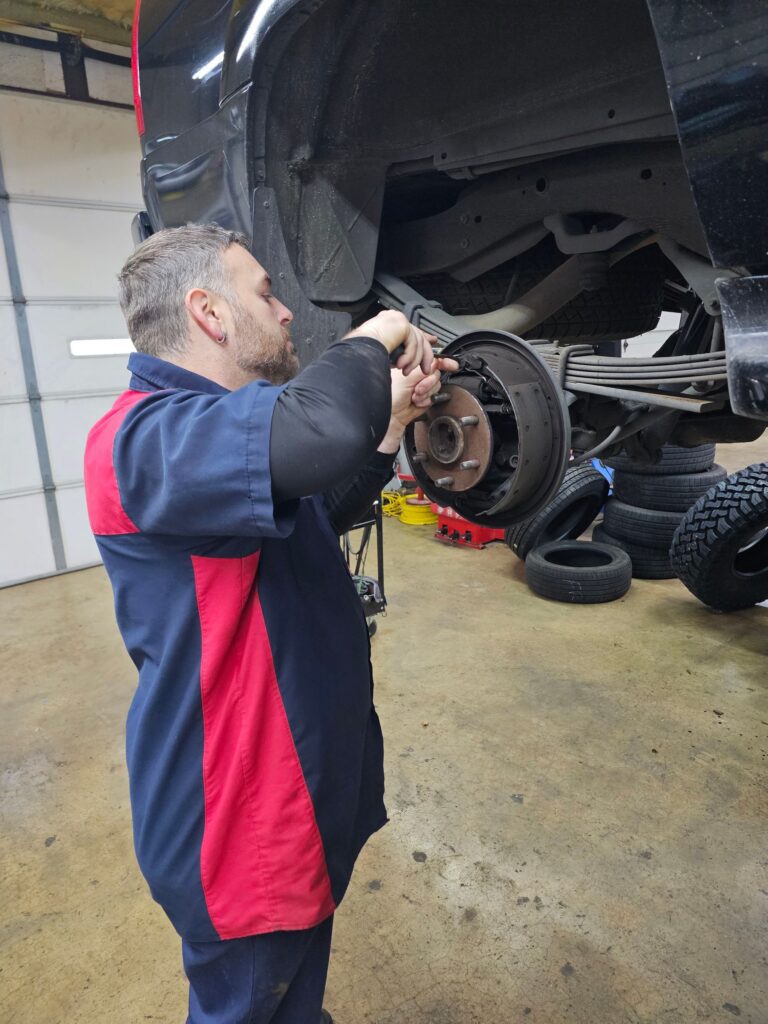
Nobody wants a car that Makes Noise when it isn’t supposed to. On of the most common car noise issues is the Squealing Brakes. We have all heard it before. Someone pulls up next to you at a light and EEEEEEEIIIIIIIIKKKKKKK! No one want to drive that car. The good news is that Squeaking Brakes are easily avoided and repaired. Your Brakes are one of the most important Safety Features on you Vehicle. If they do start making noise it is important to have them checked as soon as possible. There are a few different reasons that you may hear a squeaking when braking.
Why is My Car Misfiring?
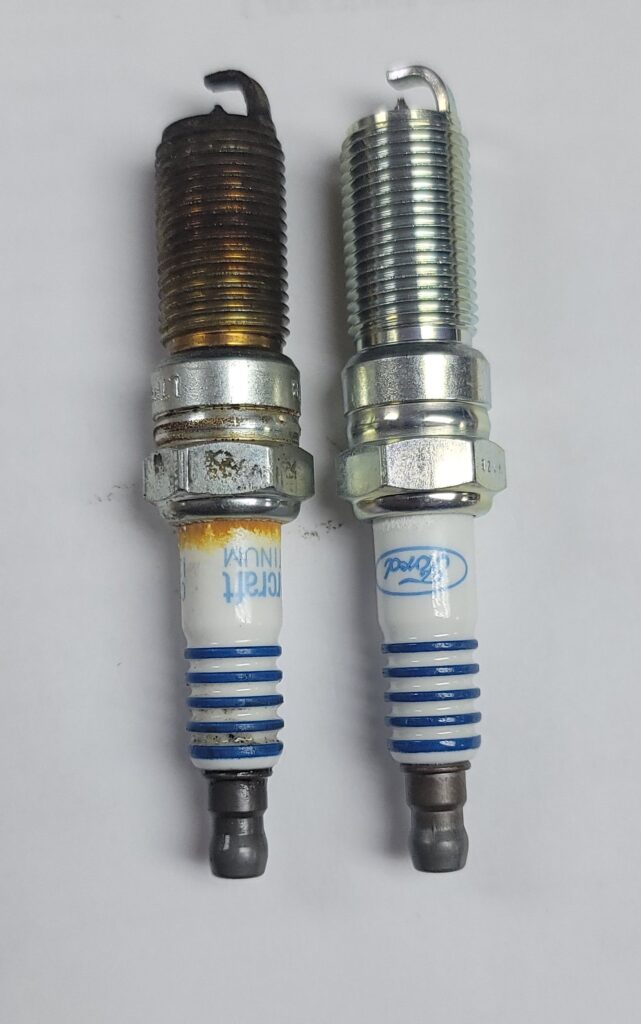
A Misfire is when the Air and Fuel Mixture in one of your Engine’s Cylinders fails to ignite. When your Engine Misfires it feels like the Engine is stuttering or Running Rough. Usually when you have a misfire your Check Engine Light will flash to let you know that there is a serious problem. When your Car Misfires it pushes unburnt fuel into the Exhaust. This can damage Catalytic Converters and Cause Costly Repairs. Each Cylinder needs three basic things to ignite properly. It needs Fuel, Compression, and Spark. If the Cylinder fail to receive fuel then there will be nothing to Ignite when spark is delivered.
Is Your Heater Ready for the Cold?
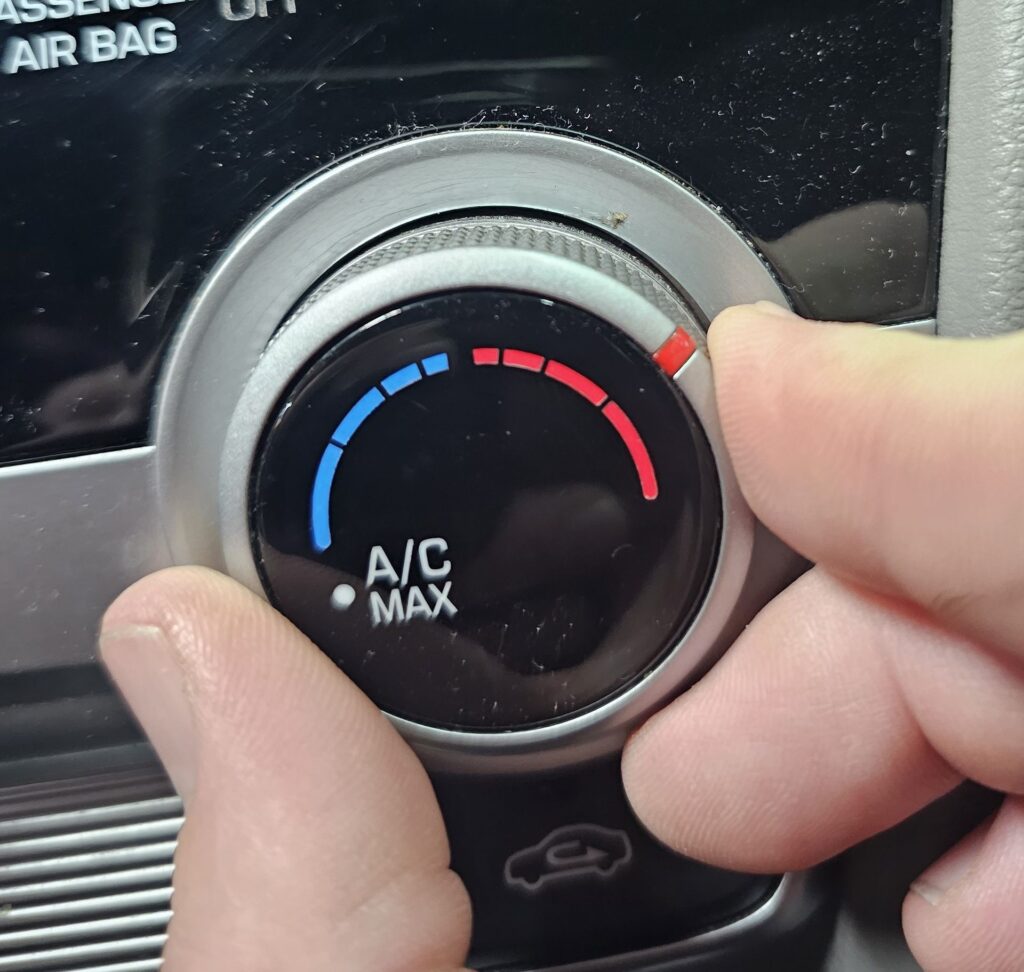
In Oklahoma we get the best of both worlds. Hot highs in the Summer and Cold Lows in the Winter. We recommend doing an AC System Check at the beginning of each Summer and a Heater Check before Winter hits. No one wants to get stuck on a cold day with no Heater in their Car. First and foremost, it is way more difficult to keep those windows from frosting up with no defrost. Secondly, it is no fun setting in a Cold car on your way to work. The first step in any Heater system check is to make sure the Coolant in your vehicle is at the correct level and in good condition. Coolant is the main fluid used to heat your Heater Core. Air Blows over the Heater Core before blowing into the vehicle. This is how the air is heated. If your Coolant is low if may not fill the Heater Core Properly. This can cause the Heater to blow cool air instead of Hot.
Is Your Car Ready For Winter?
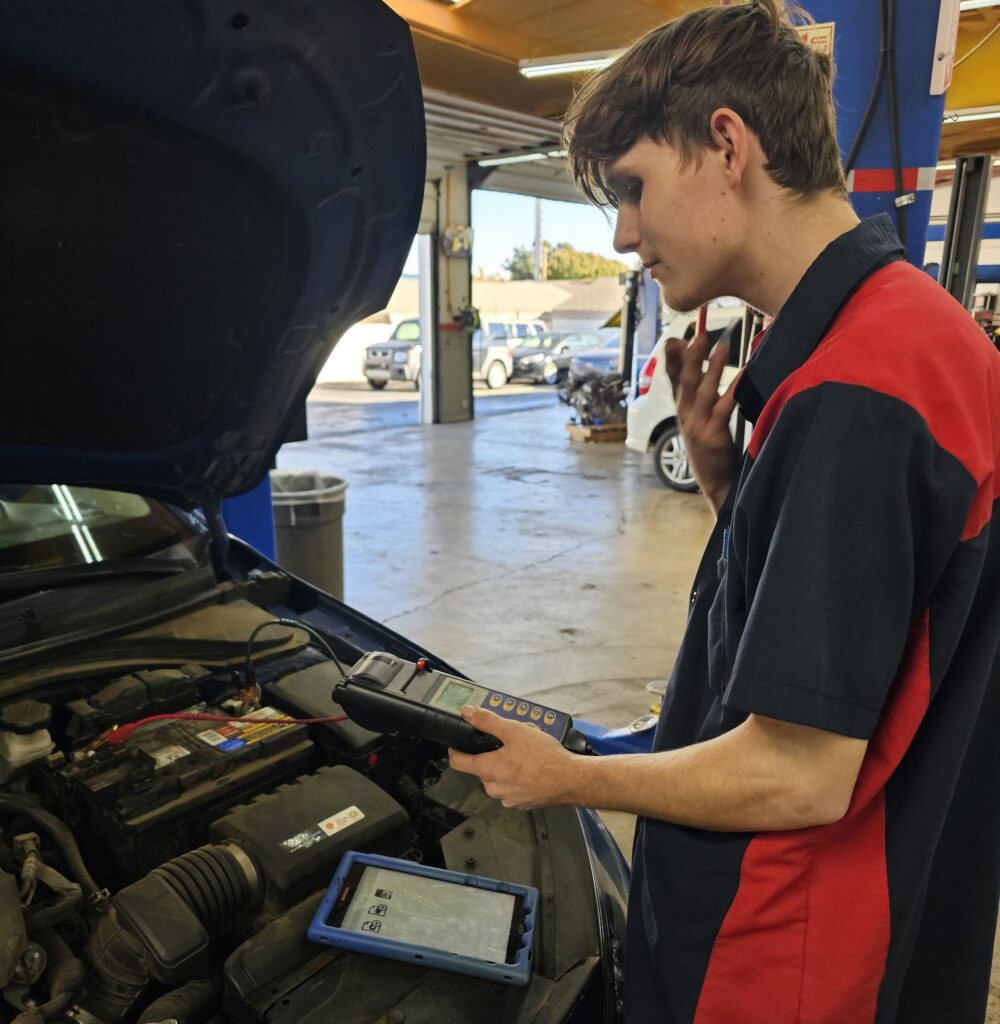
In Oklahoma Fall is here and Winter is it’s way! Cold weather can be very hard on your Vehicle. It is very important to make sure that you vehicle is ready when the cold hits. This helps to ensure that you don’t end up stranded in the cold. We find that there are three things that are most important when Preparing Your Vehicle For Winter. Number one is the Battery. Cold weather is Extremely hard on Car Batteries. As the temperature falls so does the Voltage of your Battery. Many times if a Battery is close to failure a cold snap will push it over the edge. We recommend testing the battery with a Load Tester to check its overall condition. We also check the age of the battery. On average a Car Battery last around 3-4 years. If your Battery is 3 years old and Winter is coming, it may be a good idea to replace it.
How Often Should I Replace The Battery In My Car?

That is a great question! The Battery is the main power reserve for your vehicle. The battery is responsible for providing the power to start your vehicle and allows all of the electronics to keep their memory when you car is turned off. This makes sure you don’t have to reset all of the clocks in your car every time you shut it off. It also allows you to use many of your vehicles accessories without the engine running. Most people have experienced a Dead Battery at some point in their life. You go out to the car Turn The Key and…..Nothing. It usually happens at the absolute worst time possible as well. Sometimes I think our cars know when we have important events, first days at work, or are just in a major hurry. When a Car battery leave you stranded most of the time it looks like the one below.
How Often Should I Service My Transmission?

The Transmission on your Vehicle has fluid just like your engine has engine oil! This fluid needs to be changed at a regular interval just like your engine oil. As your Transmission shift is uses Clutches to help shift the gears. As the Clutches wear the clutch material builds up in the fluid. The photo above shows some well used transmission fluid flowing out of the vehicle while the New Transmission Fluid Flows in. Used fluid is Dark in color and can nearly turn black. In the photo Below you can see fresh Transmission Fluid. It should be a bright red color and have a clear clean look.
How Does My Car Know the Tire Pressure?

Tire Pressure Monitoring Systems (TPMS) have been required in all cars built for the US market since 2003. By ensuring that your tire pressures are correct, this system helps Drivers Stay Safe. It lowers the rate of Blowouts and makes sure you know to pull over if you have a Flat Tire. Most TPMS systems operate by using a Pressure Sensor that is in each tire. Here is a picture of a few dead sensors that we have removed from vehicles.
How Often Should I Change My Air Filter?

The Engine Air Filter is an important part of your engines operation. It ensures that dirt, dust and debris don’t enter the engine and cause damage. As your Air filter collects this debris it becomes dirty and restricted.